
Why are Infections Dangerous for Leukemia Patients?
Author: Janya Kumar
Abstract
Blood cancers, like leukemia, lymphoma, and multiple myeloma, occur when mutated blood cells grow out of control. While environmental factors, such as chemical exposure, ionizing radiation, and pesticides, play a significant role in causing these mutations, the resulting disease severely compromises the body's ability to defend itself.
The Causes
The human bone marrow is the main producer of red blood cells, white blood cells, and platelets. When carcinogens enter the body, they can cross into the bone marrow and disrupt normal cellular division. If genes regulating cell growth are damaged, the mutated cells replicate uncontrollably, leading to a dangerous decrease in healthy blood cells.
Because the bone marrow is overwhelmed by abnormal cancer cells, it fails to produce enough mature, functioning white blood cells. A patient's levels of neutrophils (the immune system's primary defenders against bacteria and fungi) can drop dangerously low in a condition called neutropenia. When this happens, even the normal bacteria living on the skin, in the mouth, or in the gut can cause severe infections.

Treatments
While treatments are necessary to fight blood cancer, they often temporarily increase the risk of infection. Chemotherapy and radiation are designed to destroy rapidly dividing cancer cells, but they also kill healthy white blood cells. Furthermore, chemotherapy can damage mucosal barriers the protective linings of the mouth, creating easy entry points for harmful pathogens. Stem cell and bone marrow transplants also require suppressing the patient's existing immune system, leaving them highly vulnerable for months during their recovery.
Common Types of Infections
Because of their weakened state, leukemia patients are prone to several types of pathogens:
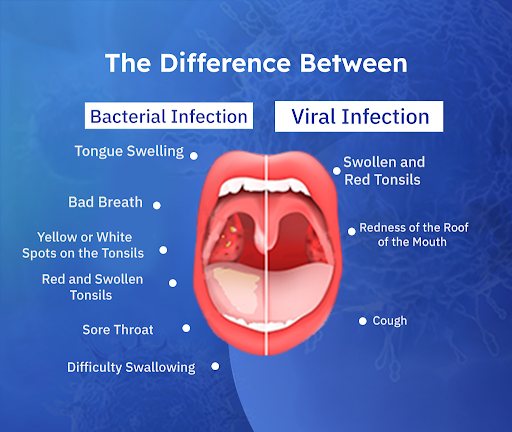
Bacterial Infections: These are the most frequent and can come from everyday environments, the patient's own food, or invasive medical devices like IV lines and urinary catheters.
Fungal Infections: While usually harmless to healthy individuals, fungi such as Candida (yeast) and Aspergillus (mold) can be deadly to those with severely compromised immunity.
Viral Infections: Patients are at a higher risk for severe complications from common viruses, including the flu, RSV, COVID-19, and simple cold viruses.
Prevention and Treatments for Infections
Prophylactic Medications: Oncologists prescribe preventative antibiotics, antivirals, or antifungals (such as posaconazole or fluconazole) to ward off infections before they can take root.
Growth Factors: Specialized medications can be given to stimulate the bone marrow to produce white blood cells faster, shortening the duration of neutropenia after chemotherapy.
Strict Hygiene: Patients must wash their hands frequently, avoid crowds and sick individuals, eat carefully prepared foods to avoid foodborne illness, and maintain excellent dental hygiene.
Immediate Medical Care: For a leukemia patient, a fever is a medical emergency. It usually requires immediate intravenous (IV) antibiotics and monitoring to prevent sepsis.

Conclusion
Infections are dangerous for leukemia patients because both the cancer itself and its necessary treatments destroy the bone marrow's ability to produce healthy, infection-fighting white blood cells. Without these vital immune defenders, even minor, everyday germs can rapidly escalate into life-threatening systemic illnesses. Protecting against these pathogens requires rigorous daily hygiene, preventive medications, and immediate medical intervention at the first sign of fever or illness.
Works Cited
"Analyzing the Intersection Between Leukemia, Environmental Factors, and Developing Countries." MEI6 Programme, 17 Apr. 2025, www.meig.ch/highlight-22-2025-analyzing-the-intersection-between-leukemia-environmental-factors-and-developing-countries/.
"Environmental Public Health Tracking: Leukemia Data." Wisconsin Department of Health Services, 1 Aug. 2022, www.dhs.wisconsin.gov/epht/leukemia.htm.
"Environmental Risk Factors for Leukemia." Moffitt Cancer Center, www.moffitt.org/cancers/leukemia/faqs/environmental-risk-factors-for-leukemial.
"How Toxic Exposure Leads to Blood Cancers and what Patients Should Know." Blood Cancer Today/Oncottemakey, 22 June 2025, oncohemakey.com/how-toxic-exposure-leads-to-blood-cancers-and-what-patients-should-know/.
"Leukemia, Lymphoma and multiple myeloma." Temple Health, www.templehealth.org/services/conditions/leukemia-lymphoma-multiple-myeloma.


Comments